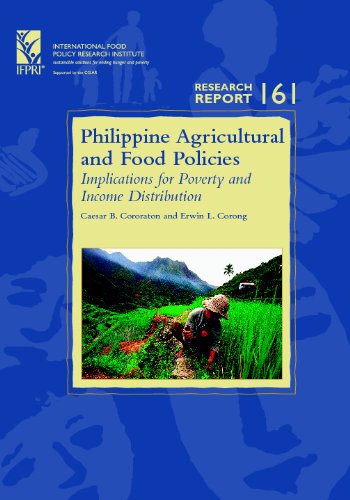
Philippine Agricultural and Food Policies: Implications for Poverty and Income Distribution ( Research Report 161 - IFPRI)
Rate This Product :


Philippine Agricultural and Food Policies: Implications for Poverty and Income Distribution ( Research Report 161 - IFPRI) Overview
Despite progress in recent years, poverty incidence remains very high in the Philippines, and poor households are highly vulnerable to the recent dramatic increases in food prices. In response to this problem, this research report investigates how Philippine policymakers can lower prices and reduce poverty. Using a dynamic-recursive computable general equilibrium model calibrated to a social accounting matrix of the Philippine economy, as well as other tools, the report simulates the effects of trade reform and increased rice productivity. The results indicate that diminished protection for major food items and investments in greater inbred-rice productivity have the potential to reduce prices and poverty in the Philippines. This report will be a valuable resource for policymakers,development specialists, and others trying to cope with the challenges of rising food prices.
Customer Reviews
*** Product Information and Prices Stored: Apr 13, 2012 18:19:03
*CERTAIN CONTENT THAT APPEARS ON THIS SITE COMES FROM AMAZON SERVICES LLC. THIS CONTENT IS PROVIDED ‘AS IS’ AND IS SUBJECT TO CHANGE OR REMOVAL AT ANY TIME.
**This Web Site is a participant in the Amazon Services LLC Associates Program, an affiliate advertising program designed to provide a means for sites to earn advertising fees by advertising and linking to Amazon.com

No comments:
Post a Comment